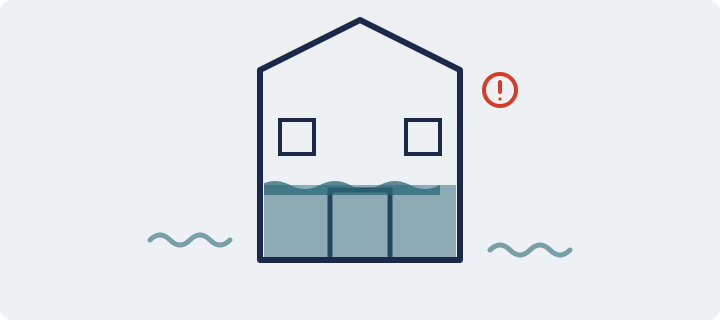
After a flood, treat anything that touched the water as contaminated. Throw away porous items such as carpet and padding, mattresses, upholstered furniture, drywall and insulation that soaked up floodwater. Clean and disinfect hard, non-porous surfaces such as tile, sealed floors, countertops, and metal or wood furniture. Photograph and list everything before it goes in the dumpster, and dry the house within 24 to 48 hours if you can.
Before You Throw Anything Away
Photograph each room and the waterline, then each item. Write a list with the item, approximate purchase date and value. FEMA recommends separating damaged from undamaged property, and notes that officials may require flooded items to be disposed of, so do not wait for an adjuster who may take days. Keep a sample or tag of anything large, such as a carpet corner. See our documentation checklist.
What to Throw Away
Health departments advise assuming anything that touched floodwater is contaminated. Porous materials soak water and contamination in and generally cannot be cleaned effectively:
- Mattresses and box springs
- Carpet and carpet padding, and rugs
- Upholstered furniture
- Pillows, foam items, stuffed animals and porous toys
- Cosmetics and personal care products
- Books, paper products and wall coverings
- Drywall and insulation contaminated by floodwater or sewage
What You Can Usually Clean
- Hard flooring such as tile, sealed wood and concrete
- Trim, molding and countertops
- Walls, after contaminated drywall and insulation are removed
- Wood and metal furniture
- The outside of appliances (see your manufacturer about the inside, and do not run flooded appliances until they have been checked)
- Sinks, toilets, tubs and plumbing fixtures
- Hard, non-porous toys
Clean off mud first, then disinfect. County health guidance suggests a mix of 1 cup of bleach to 1 gallon of water on surfaces with mold, and 1 cup of bleach to 5 gallons of water for hard toys, washed thoroughly and air dried. Never mix bleach with ammonia or other cleaners.
Protect Yourself While You Work
Wear goggles or safety glasses, an N95 or better respirator, heavy-duty or rubber gloves, waterproof boots and protective outerwear. Wash your hands after handling flood debris. If the water contained sewage, or if the amount of material to remove is large, hiring a crew is often safer than doing it yourself. Our guides on whether emergency service is worth it and sewage backups can help you decide.
Dry Fast, Then Check for Mold
Health agencies advise drying the home within 24 to 48 hours if you can: open doors and windows and run fans that blow air out of the house. Wet drywall, subfloor and framing hold moisture long after the surface looks dry. See our day-by-day guide to preventing mold after flooding and how long mold remediation takes. For belongings you do not want to lose, such as photos, documents and keepsakes, ask a restoration company about contents restoration before you discard them.
If your home flooded and you need water extraction and drying started, ClearFlow Restoration is a referral service: call and we connect you to a licensed, IICRC-certified crew serving your part of Ohio, 24/7. We are not a government agency or an insurer and can't file claims or appeals for you.
📞 Call (419) 588-0112Frequently Asked Questions
What should I throw away after a flood?
Anything porous that touched floodwater generally cannot be made safe: mattresses and box springs, carpet and padding, rugs, upholstered furniture, pillows and foam, stuffed animals, cosmetics and personal care products, books and paper, wall coverings, and drywall and insulation contaminated by floodwater or sewage.
What can be cleaned and kept after a flood?
Hard, non-porous surfaces can usually be cleaned and disinfected: tile, sealed wood and concrete flooring, trim and countertops, wood and metal furniture, the outside of appliances, and sinks, toilets and tubs. Walls can be cleaned after contaminated drywall and insulation are removed.
Should I take photos before throwing things out?
Yes. Photograph and list damaged items before you discard them, with purchase dates and values where you can. Insurers and FEMA both rely on documentation, and officials may require flooded items to be disposed of.
How fast do I need to dry a flooded house?
Health agencies advise drying the home within 24 to 48 hours if possible, opening doors and windows and using fans that blow air outdoors, because mold starts growing quickly in wet materials.
What protective gear should I wear when cleaning up?
Goggles or safety glasses, an N95 or better respirator, heavy-duty or rubber gloves, waterproof boots and protective outerwear. Wash your hands after handling flood-exposed debris, and never mix bleach with ammonia or other cleaners.
Sources
- Whatcom County Health: Safe cleanup after a flood
- FEMA: Filing a flood insurance claim (documenting damaged property)
This guide is general information, not legal or insurance advice. Rules and deadlines vary by policy and by disaster, so confirm with your insurer, FEMA, or an attorney.